From Coloring Page to Embroidered Charm: Evaluating a Unicorn Seasons Design
A First Impression: Whimsy, Seasons, and a Promising Canvas
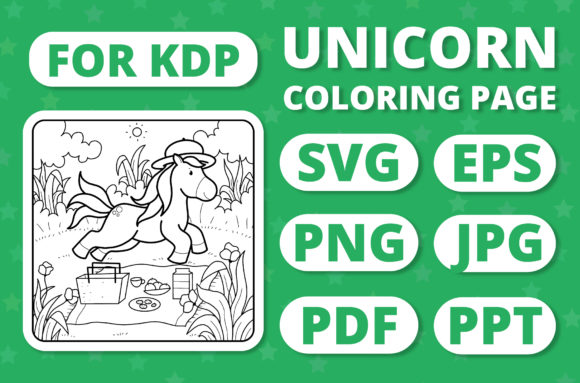
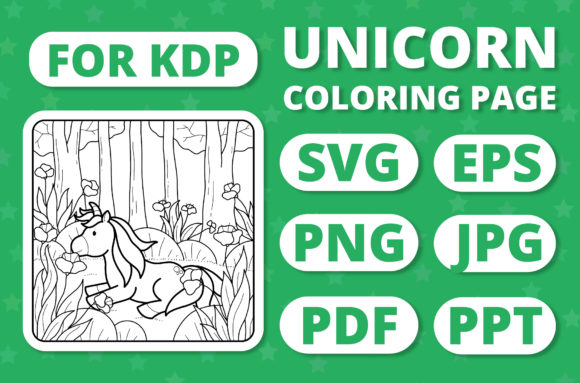
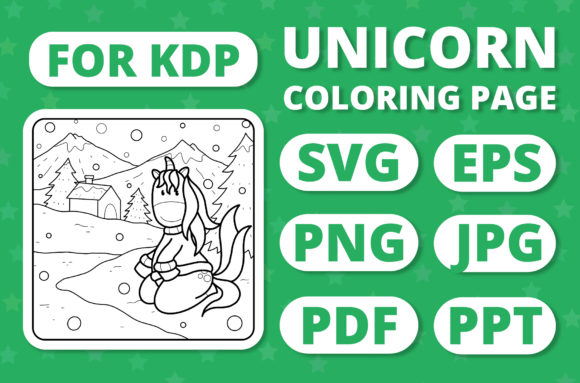
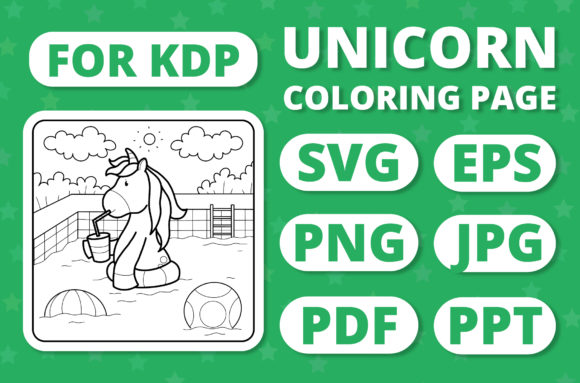
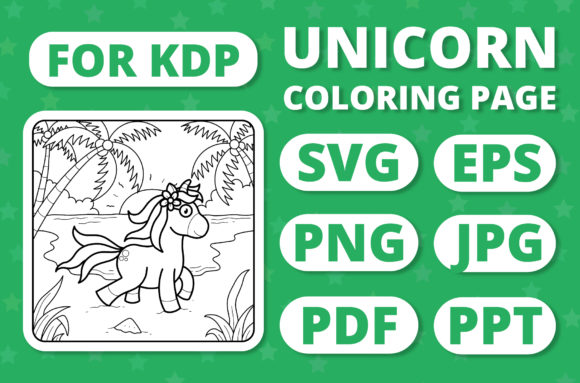
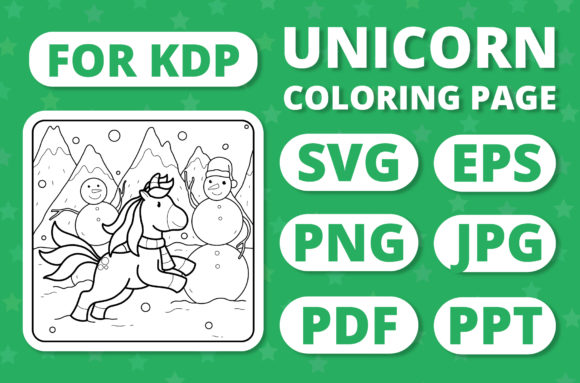
When you download KDP Unicorns Seasons Coloring Page 29, the first thing you feel is whimsy. This isn't a generic unicorn; it's a design built around seasons. That’s a thoughtful theme. The layout typically means the unicorn itself is central, likely framed by seasonal accents—maybe a flower for spring, a sun for summer, a leaf for autumn, a snowflake for winter. The detail level in a coloring page meant for KDP use is often clean and illustrative, which translates beautifully to embroidery. The lines are clear, the shapes are defined. It has a visual personality that’s both magical and structured, perfect for a project that needs to feel special but not chaotic. Immediately, I think this belongs on items for gifts, for nursery decor, for personalized apparel that celebrates a particular time of year.
Where This Design Shines in Real Embroidery Projects
Let me walk you through a real scenario. I’m preparing a custom embroidered baby blanket for a holiday gift. The client wants something unique, not just a name, but a symbol of the season the child was born. KDP Unicorns Seasons Coloring Page 29 comes to mind. The seasonal element provides that specificity. I imagine stitching this onto a soft cotton blanket corner. The illustrative style means I can adapt it—maybe focusing just on the spring floral element for a spring baby. The clean lines will help the satin stitch around the unicorn’s outline stay crisp. On a tote bag for a boutique, this design adds a story. It’s not just a unicorn; it’s a unicorn of summer, making the bag feel like a seasonal, limited-edition product. For an Etsy seller offering personalized sweatshirts, this design becomes a premium option. You can offer “Winter Unicorn” or “Autumn Unicorn” versions, increasing your listing variety without needing entirely new graphics.
It performs well across a range of real-life embroidery situations. On custom apparel like t-shirts and sweatshirts, the 8.5 x 8.5 inch size suggests it can be a substantial, featured design, not a tiny logo. For patches, the clear shapes make for excellent applique potential. On pillow covers or kitchen towels, it brings a thematic, decorative charm. For holiday gifts—think a winter-themed unicorn on a Christmas stocking or an autumn one on a Thanksgiving apron—it connects the magical theme to the occasion, boosting giftability. As a digital embroidery file, the provided formats like SVG and the bonus AI file are crucial. They allow for easy scaling and editing in your embroidery software, letting you adjust stitch types, combine elements, or isolate parts for different products like caps or baby clothes.
The Boost to Your Craft Business
Using a design like this affects your project's appeal in tangible ways. Stitching clarity is high because the original is meant for coloring—the lines are distinct. This translates to clean embroidered edges, which customers perceive as quality. The seasonal twist adds product value; it feels more thoughtful than a standard graphic. For customer trust and professionalism, offering a cohesive themed collection (like all four seasons) builds your brand consistency. A mother buying a “Spring Unicorn” embroidered baby gown sees it as a complete, professional handmade product, not a random image. This recognition and engagement are higher. It’s a design that prompts a story, which is powerful for small shop merchandise and craft fair products.
Careful Application: Where to Pay Attention
This design, with its likely illustrative detail, requires some practical consideration. On very small hoop sizes, the seasonal accents and unicorn details could become too dense. If there are tiny elements like small flowers or intricate mane lines, they might need simplification on a cap’s curved surface or a baby item’s small area. On textured fabrics like some towels or stretchy fabrics like jersey, the finer details could lose clarity if the stabilizer isn’t perfect. Dark fabric backgrounds demand careful thread color contrast planning—you might need to use brighter, lighter threads to make the magical theme pop.
For products needing frequent washing, like apparel or kitchen linens, consider stitch density. A very dense fill stitch over a large 8.5-inch area might be stiff. Adapting it to use more open fill stitches or strategic applique can maintain softness. The design’s corners and detailed accents are beautiful, but on layered garments or where the fabric might pull, reinforcing those points in your digitizing process is wise.
Practical Notes for the Embroidery Designer
Before you commit this to a client’s sweatshirt or your bestselling tote bag, here’s my workflow advice. First, always test on scrap fabric that matches your final product. This tells you how the details translate to stitches. Check thread color contrast against both light and dark backgrounds—create simple black and white mockups in your software to see the form. Review the stitch density in your digitized version; the original is a coloring page, so your embroidery file’s fill needs to be appropriate for the fabric.
Confirm your hoop size can accommodate the design at your desired scale. Inspect small details like the unicorn’s horn or seasonal icons; ensure they won’t get lost or become needle-breakers. Use a proper stabilizer for the fabric type; this design’s appeal hinges on crispness. Crucially, check the licensing provided with the product. The description mentions its use for KDP activity books, but for embroidery, you must confirm you can use it for commercial embroidery projects, selling finished items like patches or apparel. If it’s not explicitly stated, reach out to the seller. Never assume.
Finally, think about versatility. The bonus AI Illustrator source file is a treasure. It lets you easily extract elements. Maybe you just use the winter snowflake motif for a smaller cap design, or combine the unicorn outline with other elements for a unique boutique product. This flexibility makes KDP Unicorns Seasons Coloring Page 29 more than a one-use graphic; it becomes a design asset for your craft business.
The Final Stitch
In the hands of an embroidery designer, this coloring page transforms. It moves from a digital graphic in the Coloring Pages Amp and Graphics category to a source of real, stitched magic. Its strength is its themed, illustrative foundation, which provides a clear path to professional-looking handmade products. Whether for personalized gifts, small business merchandise, or your next commercial embroidery project, it offers a structured whimsy that customers will connect with. Approach it with a tester’s mindset, respect its details, and it will stitch up into something that feels both enchanting and expertly made.