Reviewing KDP Unicorns Seasons Coloring Page 9 for Real Embroidery Work
I’ve been an embroidery designer for years, and the first question I ask myself when looking at any design is simple: how will it actually stitch out? Not on a screen, but on fabric. When I opened the files for KDP Unicorns Seasons Coloring Page 9, I wasn’t thinking about coloring books. I was imagining it stitched onto a cozy fleece blanket for a little girl’s birthday gift.
The Immediate Mood and Potential of This Unicorn Design
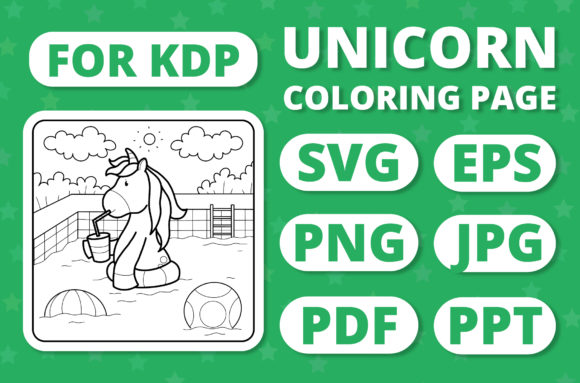
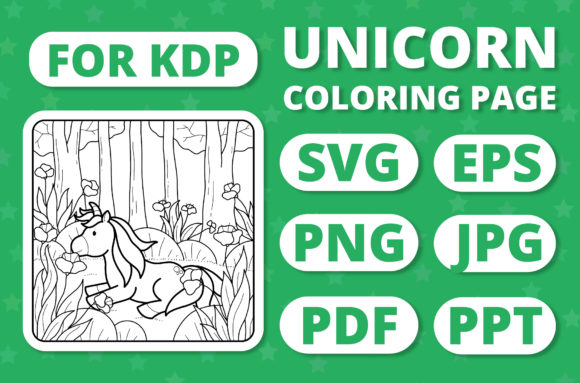
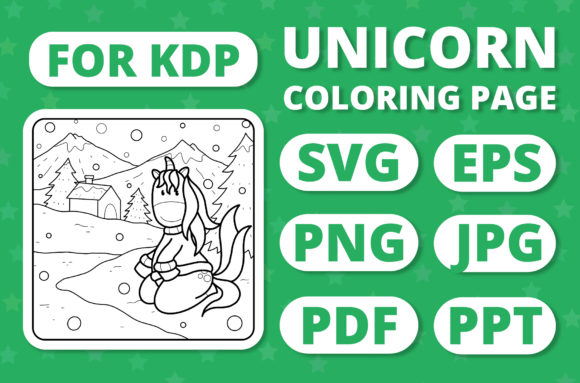
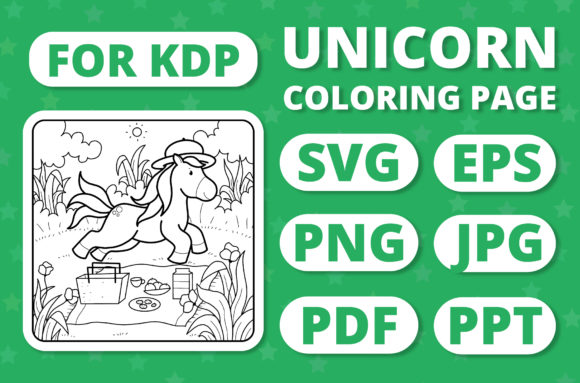
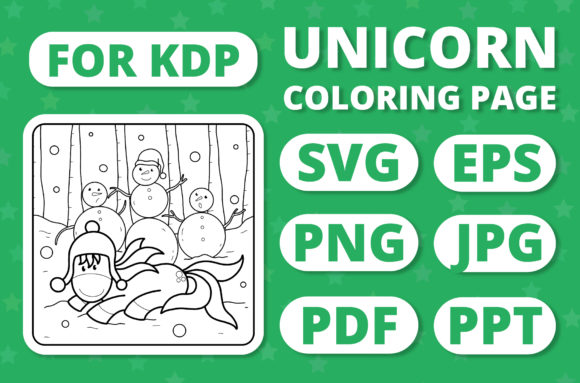
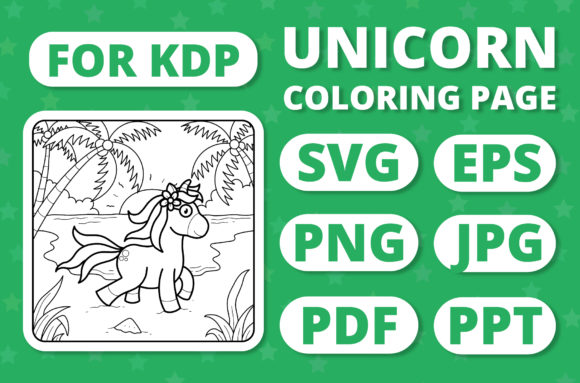
This design has a sweet, structured charm. It’s not a wildly freeform sketch; it’s a contained, deliberate illustration. That’s actually a benefit for us. The layout is clear, the shapes are well-defined, and the level of detail is thoughtful. It doesn’t feel overly cluttered. This visual personality—playful but orderly—lends itself beautifully to projects where you want a focal point that’s cheerful but not chaotic. I immediately thought it would be perfect for a premium baby item, like a heirloom-quality bib or a nursery pillow cover, or as a standout element on a simple canvas tote bag for a boutique.
Where This Design Excels in Real Projects
Let’s talk about applications. This isn’t just a digital asset; it’s a blueprint for a physical, handmade product. The unicorn theme is evergreen, but the seasonal nod gives it a subtle versatility. I’d use KDP Unicorns Seasons Coloring Page 9 confidently for custom sweatshirts or t-shirts for a children’s brand, creating a clean, recognizable logo-like emblem. For a craft business, it could become a lovely embroidered patch, sewn onto backpacks or jeans. The scale, at 8.5 inches, suggests it’s meant to be a centerpiece. Imagine it on a tea towel in a kitchen—a whimsical touch that elevates a practical item.
For commercial embroidery, like small shop merchandise or Etsy listings, this design offers a strong starting point. Its clarity translates well into stitching, meaning the final product will look intentional and professional, which builds customer trust. As a personalized gift, embroidered onto a blanket or apron, it feels special because the design itself carries that crafted, illustration quality. It’s giftable because it looks complete.
Practical Considerations Before You Stitch
Now, the realistic part. This design has areas of potential density and some fine lines. On a textured fabric like a sweater, you’ll need a good stabilizer to keep those shapes crisp. On thin or stretchy fabric, like a t-shirt, you must consider stitch density—test it on scrap first to ensure it doesn’t pull or distort the material. Dark fabric? Check your thread color contrast thoroughly; some of the lighter seasonal accents might need a pop of bright thread to stand out.
Small hoop sizes might be a challenge if you try to scale it down significantly. Those decorative corners and details need space to breathe. For curved surfaces like caps, you’d likely need to adapt the layout slightly, focusing on the central unicorn motif. And for products destined for frequent washing, like baby clothes, ensure your stitch choices are durable. A satin stitch for outlines might be elegant, but a tighter running stitch could be more practical for long-term wear.
A Specific Scenario: The Boutique Tote Bag
Picture this: you’re preparing a limited run of embroidered tote bags for your handmade shop. You want something that feels seasonal but not dated, charming but not childish. You load KDP Unicorns Seasons Coloring Page 9. On a natural canvas bag, the design stitches out with a lovely, storybook feel. The clear lines become defined stitches, the unicorn becomes a friendly mascot for your brand. A customer sees it and doesn’t just think “a unicorn”; they think “a well-made, thoughtful product.” That’s the value this design can add—it elevates the finished product’s visual appeal and perceived craftsmanship.
Notes for the Working Designer
Always test on scrap fabric first. Play with thread colors. See how it looks in a black and white mockup to judge form, and compare it on both light and dark fabric backgrounds in your software. The included file formats, like SVG and the bonus AI file, are invaluable for tweaking scale or isolating elements if your embroidery software allows for vector import. This flexibility is a real asset.
Remember, this is a graphics product from the Coloring Pages Amp category. Its primary intent might be digital, but our use is physical. Confirm the licensing terms for your specific application—whether for personal gifts or commercial embroidery projects you plan to sell. Never assume.
For machine embroidery design conversion, the clear source files are a great foundation. You’ll be working to translate those lines into satin stitches or fill stitches, judging where density is needed. The result, when done carefully, can be a stunning embroidered product that holds its own on apparel, decor, or any handmade item where a touch of magic is just the right fit.
Final Impressions for Makers and Entrepreneurs
KDP Unicorns Seasons Coloring Page 9, in my hands as a designer, feels like a reliable, charming starting point. It won’t do the embroidery work for you, but it provides a strong visual framework that, when stitched with care, creates a product that looks professional and engaging. It fits a niche for crafters and small business owners who want designs that are both playful and polished. For your next project—whether it’s a holiday gift, a baby embroidery, or a new line for your Etsy shop—this design has the potential to stitch up into something truly special.