Evaluating Coloring Mandala Art 017 for Real Embroidery Projects
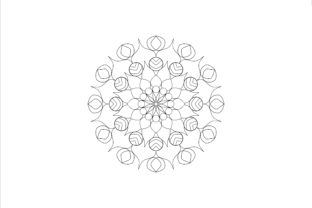
When I first opened the Coloring Mandala Art 017 embroidery design, I felt a wave of calm. This isn’t a loud, flashy mandala. It has a composed, intricate personality. The layout is balanced, with a central focal point branching out into intricate, open patterns. That openness is key. Unlike some mandalas that are dense and almost solid, this one has spaces where the fabric will show through, creating a beautiful interplay of stitch and material. The mood it creates is meditative and artistic, perfect for projects aimed at mindful gifting or boutique products that tell a story.
Where This Design Naturally Belongs
As a designer, I immediately picture this on a beautifully textured canvas tote bag. The open areas of the design would allow the natural weave of the canvas to become part of the art, elevating a simple tote into a statement piece for a small shop. Similarly, I envision it centered on a premium cotton pillow cover in a nursery or a cozy living room—the mandala becomes a focal point of decor, not just an ornament. For apparel, it feels destined for the back of a linen-look sweatshirt or a lightweight hoodie, where its size can be appreciated.
Its theme is universal enough for personalized gifts—think a cherished baby blanket or a commemorative wedding gift tea towel—yet stylish enough for consistent small shop merchandise. An Etsy seller could use this same design across a line: tote, apron, and pillow cover, creating strong brand consistency with a recognizable artistic thread.
Navigating the Realities of the Stitch
Let’s talk about translating this digital graphic into a physical, stitched product. The file formats provided—AI, EPS, SVG, DXF, JPEG, PNG—are a robust set, giving you flexibility for both machine embroidery file creation and printable mockups for your listings. The detail level is inviting, but it demands a practical approach.
Because of the fine lines and potential for intricate fill stitch areas in the petals or central motifs, I would not recommend going tiny with this. A 4-inch hoop would likely lose clarity and turn delicate details into a muddled mess. For a crisp result that maintains the design’s artistic integrity, I’d plan for a larger hoop size, perhaps 5 inches or more, to preserve those beautiful open spaces. Always check the specific recommended hoop size in the design’s documentation before loading your machine.
Fabric Choices and Where to Be Cautious
This design would sing on medium-weight, stable fabrics: cotton twill for a cap, linen-look blends, sturdy canvas, and smooth quilting cotton for pillow covers. The visual appeal hinges on stitch clarity.
Be careful on highly textured fabrics like some tweeds or looped towels, as the fine details might get lost. On thin or stretchy fabric like a standard t-shirt, you’ll need excellent stabilizer and might consider reducing the overall size to minimize pull. Embroidering on dark fabric backgrounds requires thoughtful thread color contrast planning—a pastel thread palette on black would create a stunning, ethereal look, but you need to test it first.
The design’s symmetrical, circular nature also means it will perform beautifully on flat surfaces. On curved surfaces like caps, the central area will stitch well, but some of the outermost detailing might require expert hooping and stabilization to avoid distortion. This is not a beginner’s first cap design, but for an experienced decorator, it could become a premium bestseller.
The Professional’s Checklist Before Hooping
Before committing this to a client’s project or a batch of fifty tote bags for your craft fair, here’s my mental run-through. First, I always test the design on scrap fabric first. Use the same fabric and stabilizer combo you plan for the final product. This tells you everything about stitch density, whether any areas are too dense for your fabric, and if those small details translate properly.
Second, I inspect the small details in the provided files. Zoom in. Are there tiny intersections or corners that might become a single blob of thread? Sometimes a minor adjustment in the embroidery file scaling can save you headaches. Third, I test the concept in black and white mockups. How does it look as a silhouette? This helps gauge its impact even without color, which is useful for planning monochrome versions or assessing its strength on very light or very dark backgrounds.
Finally, and crucially, confirm the licensing. The product type is listed as Graphics. This means you need to understand the license terms before selling finished items or using it in commercial embroidery projects for clients. Does it allow physical product sales? Digital resale? Always verify.
Turning the Design into Customer Trust
When you use a design like Coloring Mandala Art 017 thoughtfully, it does more than decorate a product. It builds customer trust. A well-executed, clean stitch of this intricate design shows professionalism. It tells your buyer that you care about craftsmanship. On a handmade product, this level of detail elevates the item from “homemade” to “artisan-made,” increasing its perceived value and giftability.
For an apparel decorator, offering this as a premium option on sweatshirts or jackets can attract customers looking for unique, artistic apparel rather than generic logos. The design’s recognition factor is high—a beautiful mandala is instantly understood and appreciated. In your Etsy listings or craft fair booth, products featuring this design will have a cohesive, artistic brand story that engages buyers looking for meaning and beauty.
In practical terms, for products that need frequent washing, like kitchen towels or baby items, the design’s success depends on your execution. Using quality thread, proper stabilizer, and ensuring no areas are overly dense (which can wear faster) will ensure it lasts, maintaining that customer satisfaction long after the purchase.
A Final, Friendly Note from the Worktable
Coloring Mandala Art 017 is a design with soul. It’s not a quick, generic graphic. It asks for a bit more consideration in hooping, fabric choice, and scale. But the reward is a finished product that feels genuinely special. Whether you’re embroidering a one-off personalized gift for a friend or integrating it into your small shop’s product line, it brings an artistic confidence to your work. Approach it with a tester’s mindset, respect its details, and it will become a reliable, beautiful asset in your embroidery project toolkit.