A Gingerbread Gift Set Design for Embroidered Holiday Magic
When a new design file lands in my workspace, my first question is always a practical one: does it have the character to transition from a digital preview into a real, stitched product that feels special? The Christmas Coloring Page Ginger Gift Set immediately struck me with its charming, illustrative quality. It’s not a hyper-realistic graphic; it’s a friendly, almost storybook collection of gingerbread motifs. The mood is warm, nostalgic, and perfectly playful for holiday projects.
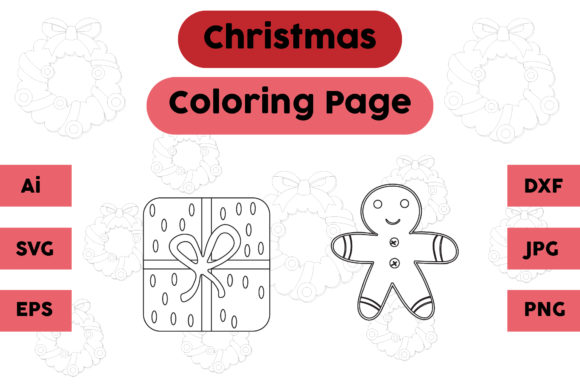
The layout and shapes feel designed for clarity, which is a huge advantage for embroidery. As someone who regularly turns digital files into custom apparel and gifts, I see a design like this belonging naturally on cozy items: a child’s sweatshirt, a family kitchen towel, a festive tote bag for carrying holiday treats. The individual gingerbread characters and elements have a defined, open-line quality that suggests they’ll translate well into stitch paths without becoming a muddy, dense mess of thread.
Where This Gingerbread Set Finds Its Best Home
I pictured a specific scenario: preparing a custom, embroidered baby blanket as a Christmas gift. The playful gingerbread men and accompanying holiday icons from this set would create a focal point that’s sweet without being overly cluttered. For small business owners and Etsy sellers, this kind of design offers versatility. It could anchor a holiday-themed apron for a boutique bakery, become a cheerful patch on a winter cap, or add a personalized touch to a set of pillow covers for a seasonal home decor line.
The “coloring page” style is a key insight. It implies a level of detail that is illustrative rather than photorealistic. In embroidery, this often means cleaner separations between elements, which helps with stitch clarity. When I think about machine embroidery, I consider how those lines will become satin stitches or running stitches. Designs with this personality tend to perform well on mid-weight fabrics like canvas for tote bags, cotton for tea towels, and fleece or sweatshirt material for apparel. They hold their visual appeal without demanding an excessive stitch count that could overwhelm thinner fabrics.
Navigating Potential Stitching Considerations
Any design requires a thoughtful match to its final product. For the Christmas Coloring Page Ginger Gift Set, I would advise some careful planning in a few areas. While the open design is a strength, very small hoop sizes might compress some of the finer decorative details, so testing a scale preview is essential. On textured or very stretchy fabrics, like some knit sweaters, the cleaner lines are beneficial, but using the proper stabilizer becomes even more critical to prevent distortion of those friendly gingerbread shapes.
Working on dark fabric backgrounds requires a smart thread color strategy. The design’s inherent light, open feel would need a thoughtful palette shift—perhaps using brighter, contrasting creams and whites for the gingerbread bodies to maintain that cheerful visibility. Also, on curved surfaces like caps, the larger, central motifs would likely adapt better than any tiny, peripheral elements. Always test on scrap fabric first. This step is non-negotiable for professional results, checking thread contrast, stitch density for the fabric you’ve chosen, and how small details like little candy buttons render.
The Real Impact on Your Craft Business and Gifts
From a commercial and creative entrepreneur’s viewpoint, this design set adds value through its thematic cohesion and giftability. A customer receiving a custom embroidered tote or apron with this gingerbread collection isn’t just getting a generic holiday logo; they’re getting a piece with a handmade presentation that feels curated and complete. For branding a small shop’s holiday merchandise, it offers a consistent visual theme across different products—aprons, pillow covers, patches—building recognition.
It affects professionalism, too. Using a design with this clear, intentional layout shows buyers you’ve selected assets with an eye for final stitch quality. It builds customer trust because the finished product looks clean and intentional, not overwhelmed or poorly translated. For embroidery designers and apparel decorators, it’s a reliable digital file for creating holiday items that engage buyers looking for that specific, nostalgic Christmas charm.
A Designer’s Practical Checklist Before Hooping
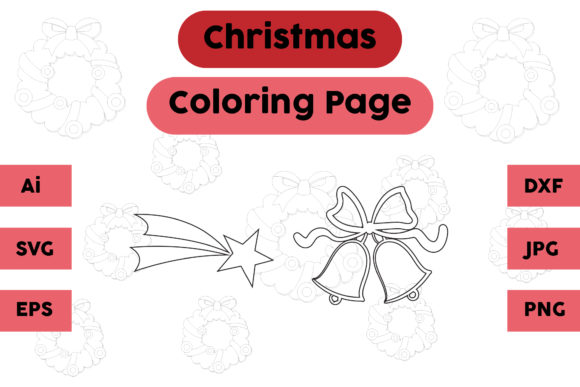
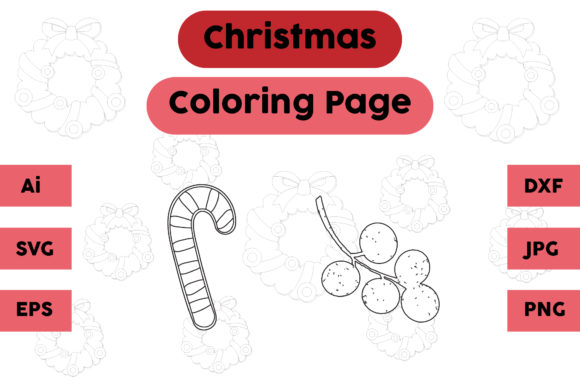
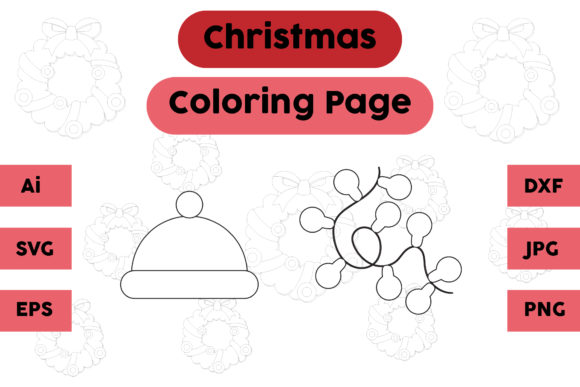
My process for a design like this always involves a few key steps. First, since the product description notes it’s available in multiple vector and image formats like AI, EPS, SVG, DXF, JPG, and PNG, I confirm my embroidery software’s compatibility and choose the cleanest file for my machine. The canvas size is noted, but I always check the actual dimensions and scale it appropriately for my specific hoop size and project—never assuming.
I run a black-and-white mockup to check the pure contrast of the shapes, stripping away color to see the foundation. I compare how it looks on both light and dark background simulations. Crucially, I review the licensing terms provided with the file before any commercial use. Can I sell the finished embroidered tote bags and baby blankets? Can I use it in digital product previews for my Etsy listings? This confirmation is the bedrock of a responsible craft business.
Finally, I consider thread. The coloring page style invites a playful palette, but I plan my colors based on fabric choice and desired impact—sometimes a traditional brown and red scheme, sometimes a pastel, whimsical take for a nursery item. The goal is always to let the design’s friendly personality shine through the stitches, creating a holiday product that feels both professionally made and full of heart.