A Cheerful Sweet Treat Design: The Yellow Donuts Embroidery File
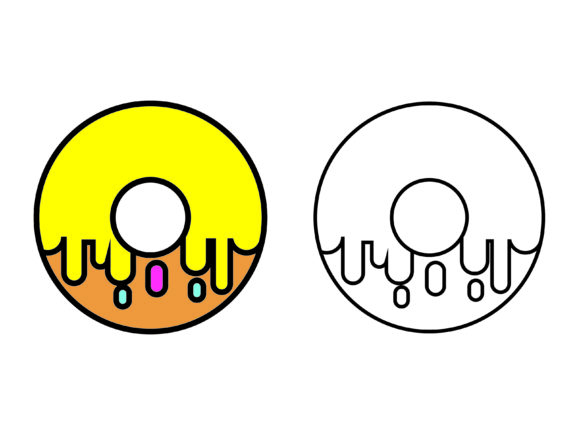
When a client asked for a fun, bright design for a child’s birthday gift, the Yellow Donuts Kids Coloring Vector immediately caught my eye. It wasn’t just a graphic; it felt like a ready-made smile. As an embroidery designer, I look at files not just as digital art, but as a blueprint for a tactile, finished product. This one, with its playful theme and simple shapes, presents a specific set of opportunities and considerations for real-world stitching.
The Instant Mood of Sweet Simplicity
The first impression here is pure, uncomplicated cheer. The “coloring” style implies bold outlines and clear, defined areas—a dream for translating into satin stitches or clean fill stitches. The yellow donuts theme creates a universal, friendly vibe. It’s not seasonal or niche; it’s just happy. This visual personality makes it a natural fit for projects where you want to evoke warmth and fun: a child’s sweatshirt, a kitchen towel for a baker, a tote bag for a market run, or a patch on a backpack. For crafters and small business owners, this kind of design can become a staple—a reliable, appealing option for personalized gifts and small shop merchandise.
Where This Design Finds Its Perfect Home
Imagine stitching this onto a baby’s blanket or a set of nursery pillow covers. The friendly, food-themed graphic avoids being overly cartoonish, giving it a handmade, boutique quality. For a holiday gift like a personalized apron or a set of embroidered tea towels, it adds a personal, cheerful touch without being Christmas-specific. As an Etsy seller or apparel decorator, this design could easily become part of a line of “sweet treats” merchandise—think paired with a coffee cup design on a sweatshirt or alone on the corner of a cap.
The fact that it’s described as a vector file is a major practical advantage. Being openable, editable, and resizable means you can adapt it perfectly to your project. You can scale it down for a delicate corner on a baby’s dress without losing clarity, or blow it up to be the central feature on a tote bag without worrying about pixelation. This flexibility is crucial for craft businesses that need to create a range of products from one core design asset.
Stitching Considerations: Where Sweetness Needs Support
While the simple shapes are generally forgiving, a few real-life embroidery situations require careful planning. On textured fabrics like a coarse knit sweater or a terry cloth towel, the clean lines of the donut outlines might need a denser satin stitch to remain sharp. On dark fabric backgrounds, you’ll need to think critically about thread color contrast—the cheerful yellow might need a brighter or even white outline to pop against a navy or black sweatshirt.
Small hoop sizes present another consideration. If you’re planning a tiny version for a cap’s curved surface or a delicate patch, inspect those small details in your software first. Check that the “coloring” style lines aren’t so thin that they’d become a fragile running stitch prone to breaking. For products destined for frequent washing, like baby clothes or kitchen linens, a robust fill stitch for the donut bodies and a solid outline will ensure longevity. Always, always test the design on scrap fabric first, using the same material and stabilizer you plan for the final product. This tells you everything about stitch density and thread coverage.
Professional Polish and Customer Appeal
How does using a design like the Yellow Donuts Kids Coloring Vector affect your finished product’s value? A clean, well-executed embroidery of this cheerful graphic elevates a simple item. A plain tote bag becomes a custom, handmade product. A basic sweatshirt transforms into a personalized gift. For customers, it communicates a sense of care and attention. The recognizable, friendly theme builds immediate engagement—it’s easy to understand and appreciate. For your brand, if you’re a creative entrepreneur, consistently using well-chosen, high-quality embroidery files builds customer trust in your craftsmanship and professionalism.
It’s also worth noting the design’s utility for your own workflow. As a vector, it’s excellent for creating printable mockups for your online shop listings or digital product previews if you’re a digital product seller. You can show clients or potential buyers exactly how it would look on an apron or a pillow cover before you stitch a single thread.
A Designer’s Practical Notes Before Hooping Up
Before committing this design to a client project or your next craft fair product, run through this quick mental checklist. Review the file in your embroidery software in both a large and a small hoop size simulation. Look at it in black and white to judge the pure contrast of the shapes—this helps plan for light and dark fabric backgrounds. Thread color selection is key here; the “yellow” in the title is a suggestion, but you might choose a golden yellow, a lemon yellow, or even swap colors entirely for a pink donut. Play with that editable vector aspect.
Confirm your stabilizer choice based on your fabric. A stretchy fabric for a t-shirt needs a different approach than a stable canvas tote bag. And crucially, since this design falls under the Illustrations and Graphics category, confirm the licensing terms. Understand clearly whether your use for a finished embroidered product, like a batch of sweatshirts for your small shop, is covered for commercial use. Never assume. This protects your business and respects the designer.
Used thoughtfully, the Yellow Donuts Kids Coloring Vector is more than a graphic. It’s a versatile, cheerful starting point for a wide array of embroidered projects that carry a genuine sense of handmade joy. It reminds us that sometimes the simplest, sweetest designs stitch up into the most appreciated finished products.